


app-store-logo
play-store-logo
March 4, 2026

600,000+ Indian Newborns Born With Congenital Anomalies, With No Tracking Systemin Place
The CSR Journal Magazine

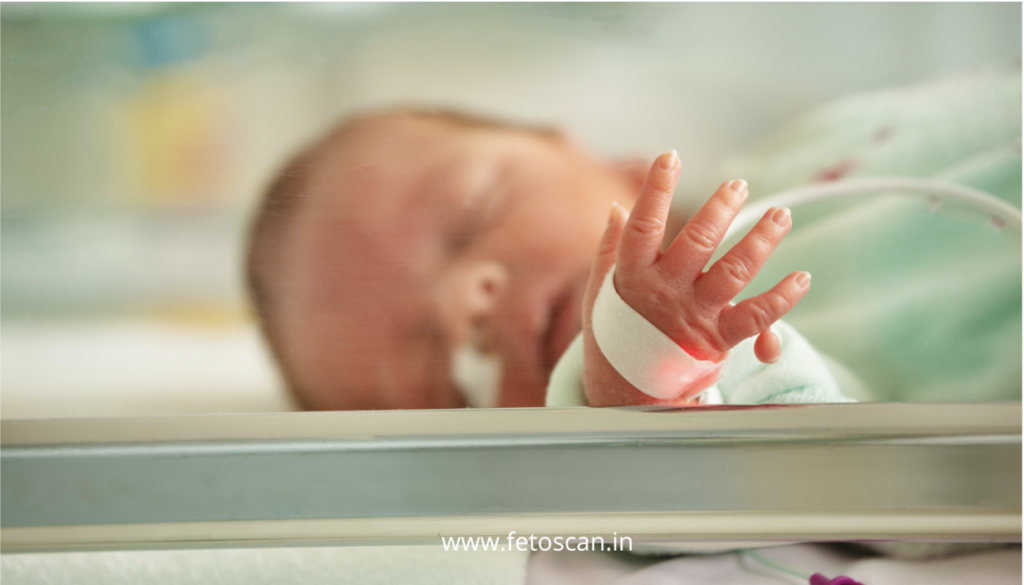
In India, approximately 600,000 infants are born each year with congenital anomalies, yet there remains no national registry to monitor these conditions. As the rates of infectious diseases decline, conditions leading to congenital disabilities increasingly account for a significant number of childhood fatalities. This has led experts to emphasize the urgency for enhanced surveillance and coordinated healthcare approaches.

Current statistics suggest that India is responsible for 16% of global deaths attributed to birth defects. To tackle this critical issue, the Birth Anomalies Network of India (BIND) was introduced on Monday in New Delhi through a collaborative effort between Smile Train India and the Birth Defects Research Foundation. This initiative focuses on the prevention, early diagnosis, and structured long-term management of congenital anomalies.

Proposal for a National Birth Anomalies Registry

BIND’s primary objective is the establishment of a National Birth Anomalies Registry aimed at generating comprehensive data across the nation. This registry is expected to aid in identifying risk factors that can be prevented and inform health planning initiatives accordingly. Experts pointed out that the current monitoring systems for congenital anomalies are inconsistent, with screening processes varying and referral networks particularly weak in regions beyond major urban centers.

The prevalence of congenital heart disease, cleft lip and palate, spina bifida, clubfoot, Down syndrome, as well as vision and hearing impairments significantly contributes to the overall burden of congenital anomalies. Many of these conditions are treatable if identified early, but the integration of multidisciplinary care into standard newborn services is often lacking.

Experts Highlight the Need for Increased Awareness

Mamta Carroll, the vice president and regional director for Asia at Smile Train, expressed concerns regarding the lack of recognition of birth anomalies within public health discussions. She emphasized the importance of raising awareness about these conditions to promote early detection and effective management. As surveillance practices evolve, it is critical that strategies are implemented to ensure all newborns have access to necessary medical care.

The introduction of BIND is considered a pivotal step toward improving the situation surrounding congenital anomalies in India and signifies a collective effort to enhance the healthcare framework for newborns. By addressing these issues collaboratively, the initiative aims to reduce the incidence and consequences of birth defects and create a healthier future for the youngest members of society.

Long or Short, get news the way you like. No ads. No redirections. Download Newspin and Stay Alert, The CSR Journal Mobile app, for fast, crisp, clean updates!

App Store –  https://apps.apple.com/in/app/newspin/id6746449540 

Google Play Store – https://play.google.com/store/apps/details?id=com.inventifweb.newspin&pcampaignid=web_share

Latest News

Popular Videos
