


280-Year-Old Shipwreck in England Unveils Historical Artefacts and Human Remains
The CSR Journal Magazine

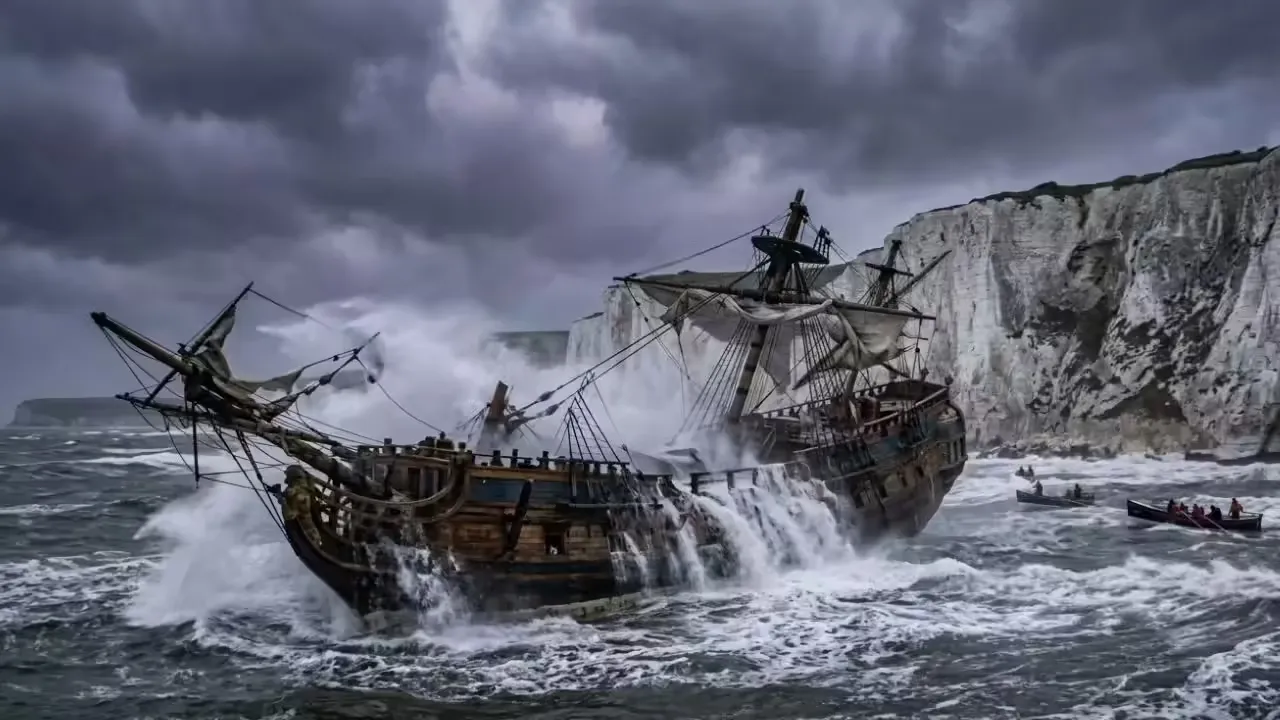
In 1740, the Dutch East India Company (VOC) merchant vessel Rooswijk sank off the coast of England during a fierce winter storm. Nearly 280 years later, a collaboration between Historic England and the Cultural Heritage Agency of the Netherlands (RCE) has uncovered the wreck, revealing a wealth of historical artefacts. Among the significant finds are rare silver coins and human remains, including what researchers have termed ‘silver bones,’ indicative of the long-term effects of silver bullion on bone structure.

Voyage and Tragic Sinking

The Rooswijk commenced its final voyage on January 1, 1740, departing from the Netherlands en route to Batavia, modern-day Jakarta. The ship carried 237 crew members and a substantial cargo of silver bars and coins, valued at millions of pounds today. Tragically, within 24 hours of setting sail, the Rooswijk succumbed to the treacherous waters of the Goodwin Sands, known as the ‘Great Ship Swallower’ in Kent County. All aboard perished during the disaster, and the vessel sank, subsequently becoming entombed under shifting sands, which preserved it for centuries.

Understanding the Silver Bones

Archaeologists have recently identified remains of individuals whose bones exhibit a silver-plated appearance. This phenomenon occurred due to the burial environment, where the bodies were interred alongside chests filled with valuable silver coins. Over time, the oxidation of silver in saltwater resulted in the leaching of silver into the human bone structure, creating a metallic coloration. Current research utilizing isotope analysis aims to shed light on the origins of these individuals, many of whom appear to have been European mercenaries rather than Dutch citizens.

Unveiling a Sealed Chest

Divers engaged in the ongoing excavation effort have retrieved a sealed wooden chest, potentially containing a variety of items distinct from those in larger trunks owned by the government. This small chest is thought to belong to one or more crew members involved in private ventures, thus suggesting the presence of personal letters, jewellery, and potentially contraband acquired through illicit trades. Due to its fragile condition, archaeologists are employing X-ray technology to conduct scans without opening the chest.

The Importance of the Wreck

The discovery of ‘pillar dollars’ aboard the Rooswijk highlights the concept of an early global economy, marking its significance in maritime history. However, the wreck’s site remains at risk from shifting sands and illegal diving activities conducted by souvenir hunters. Historic England’s ongoing preservation project exemplifies an urgent effort to protect this historical treasure from further deterioration caused by the elements.

Long or Short, get news the way you like. No ads. No redirections. Download Newspin and Stay Alert, The CSR Journal Mobile app, for fast, crisp, clean updates!

App Store –  https://apps.apple.com/in/app/newspin/id6746449540 

Google Play Store – https://play.google.com/store/apps/details?id=com.inventifweb.newspin&pcampaignid=web_share

Latest News

Popular Videos
