


107 Years Since Jallianwala Bagh Massacre Changed India Forever
The CSR Journal Magazine

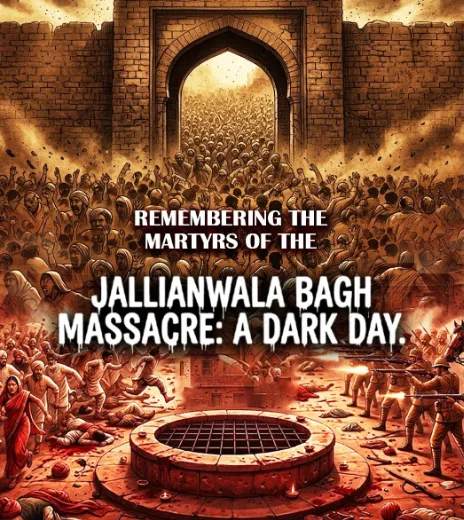
The Jallianwala Bagh massacre, which occurred on 13 April 1919, is a significant event in India’s struggle for independence. On this day, British troops opened fire on a large gathering of Indians in Amritsar, who had assembled to protest against repressive laws imposed by the colonial government. The event transpired in the context of widespread discontent and unrest among Indians, leading to a growing demand for self-governance.

This gathering were largely peaceful, yet the British authorities perceived it as a threat to their control. General Reginald Dyer, the officer in charge, allegedly ordered the troops to fire indiscriminately on the crowd, resulting in the deaths of hundreds of individuals. The incident not only shocked the nation but also had a profound impact on the movement for independence.

Immediate Aftermath and Reactions

Following the tragic events at Jallianwala Bagh, news of the massacre spread rapidly, igniting outrage across India. People from various sections of society expressed their anger and grief, with many viewing the British Raj as a brutal regime. The public outcry was compounded by reports from individuals who witnessed the atrocities, leading to widespread condemnation of colonial policies.

The British government established the Hunter Commission to investigate the massacre. However, the commission’s findings were perceived as a whitewash, failing to hold Dyer accountable for his actions. This lack of justice further fueled resentment and a desire for independence within the Indian populace.

The massacre also inspired prominent leaders like Mahatma Gandhi to intensify their campaigns for non-violent resistance. Gandhi’s philosophy of satyagraha gained traction as many Indians began to realise the need for a unified movement against colonial rule.

Legacy and Commemoration of the Massacre

Today, the Jallianwala Bagh massacre is remembered as a pivotal moment in Indian history. Various memorials and ceremonies are held annually to honour the victims and to educate future generations about the struggles faced during the fight for freedom. The national sentiment around this event acts as a reminder of the sacrifices made by countless individuals in the path towards independence.

In 2019, on the centenary of the massacre, numerous events were organised across India to pay tribute to the victims and to reflect on the significance of this dark chapter in the country’s history. Indian leaders and citizens gathered at memorials, making a collective call for justice and remembrance.

As India continues to reflect on its colonial past, the Jallianwala Bagh massacre serves as a stark reminder of the impacts of oppression and the importance of resilience in the face of adversity. The lessons learned from this tragedy remain relevant in contemporary discussions about human rights and governance.

Long or Short, get news the way you like. No ads. No redirections. Download Newspin and Stay Alert, The CSR Journal Mobile app, for fast, crisp, clean updates!

App Store –  https://apps.apple.com/in/app/newspin/id6746449540 

Google Play Store – https://play.google.com/store/apps/details?id=com.inventifweb.newspin&pcampaignid=web_share

Latest News

Popular Videos
