


Lucknow Implements Plan to Cleanse the Gomti River
The CSR Journal Magazine

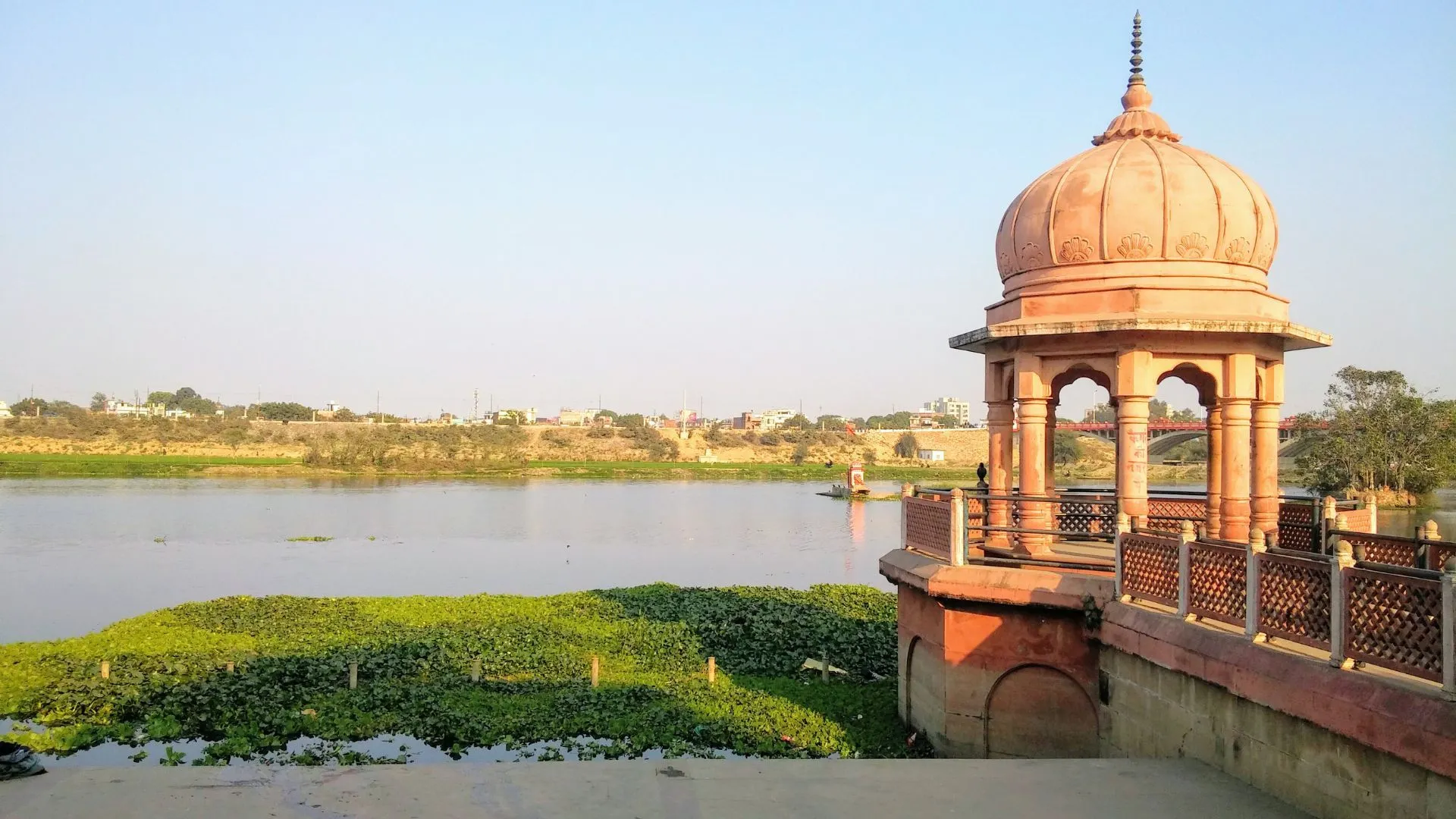
Lucknow’s initiative to clean the Gomti River has been prompted by a recent drone survey, which uncovered 45 drains discharging sewage into the waterway. This number is significantly higher than the 33 drains previously recorded by the Municipal Corporation. The findings have catalysed the development of an action plan under the Namami Gange programme, aimed at addressing the issue of untreated sewage entering the river.

The survey indicates that while Lucknow operates 10 sewage treatment plants (STPs) with a combined capacity of approximately 629.5 million litres per day (MLD), a considerable volume of sewage still flows through drains that are either untapped or only partially tapped. As of August 13, 2026, about 75 MLD of sewage from 12 drains has been successfully diverted for treatment, leaving 28 drains that still contribute around 260 MLD of untreated sewage.

Moreover, the survey highlights a significant gap in sewerage connectivity. Out of 7.52 lakh households in Lucknow, only 4.01 lakh, or 53.32 per cent, are connected to the sewerage network. This lack of connectivity exacerbates the challenge of managing sewage effectively.

Plans for New Sewage Treatment Infrastructure

A pre-feasibility report has been prepared to rejuvenate the Gomti, proposing the establishment of new sewage treatment facilities at various locations across Lucknow. The plan includes the construction of STPs with capacities of 160 MLD at Basant Kunj, 65 MLD at Wazirganj, 150 MLD at Jiamau, and 65 MLD at Neelmatha. Additionally, a nature-based treatment system is suggested for the Mastemau drain.

Smaller modular sewage treatment plants are also proposed, with a capacity of 750 kilolitres per day (KLD) at Pipraghat and 100 KLD at Ghaila. Alongside the new infrastructure, upgrades to existing STPs at Bharwara and Daulatganj are planned, as well as repairs to connected drains. This integrated approach aims to enhance the overall sewage management system in the city.

The comprehensive Gomti rejuvenation plan was submitted to the National Mission for Clean Ganga on May 6, 2026, marking a significant step towards addressing the pollution of the river.

Progress and Future Challenges

Some progress has already been made in the city regarding sewage treatment and drain tapping. A 39 MLD sewage treatment plant under the Namami Gange initiative was completed on November 4, 2024. Plans are also in place to tap an untapped drain to treat 3.5 MLD of sewage at the Barikalan STP, with a target completion date set for October 2026.

Additionally, drains that will connect to the 50 MLD Loniyapurwa STP are expected to be linked by June 2027. These projects aim to divert sewage away from the Gomti and ensure that it is treated before discharge. However, the broader challenge remains in ensuring that the proposed infrastructure is completed and that existing treatment plants are upgraded effectively.

In parallel, the state is exploring the feasibility of a Water Metro on the Gomti, although this proposal is still in the study phase and has yet to receive approval. While this initiative could enhance the river’s utilisation, the immediate priority is to improve sewage management and prevent untreated wastewater from entering the Gomti.

Long or Short, get news the way you like. No ads. No redirections. Download Newspin and Stay Alert, The CSR Journal Mobile app, for fast, crisp, clean updates!

App Store – https://apps.apple.com/in/app/newspin/id6746449540

Google Play Store – https://play.google.com/store/apps/details?id=com.inventifweb.newspin&pcampaignid=web_share

Latest News

Popular Videos
