


Kashmir’s Saffron Faces Threats from Climate Change
The CSR Journal Magazine

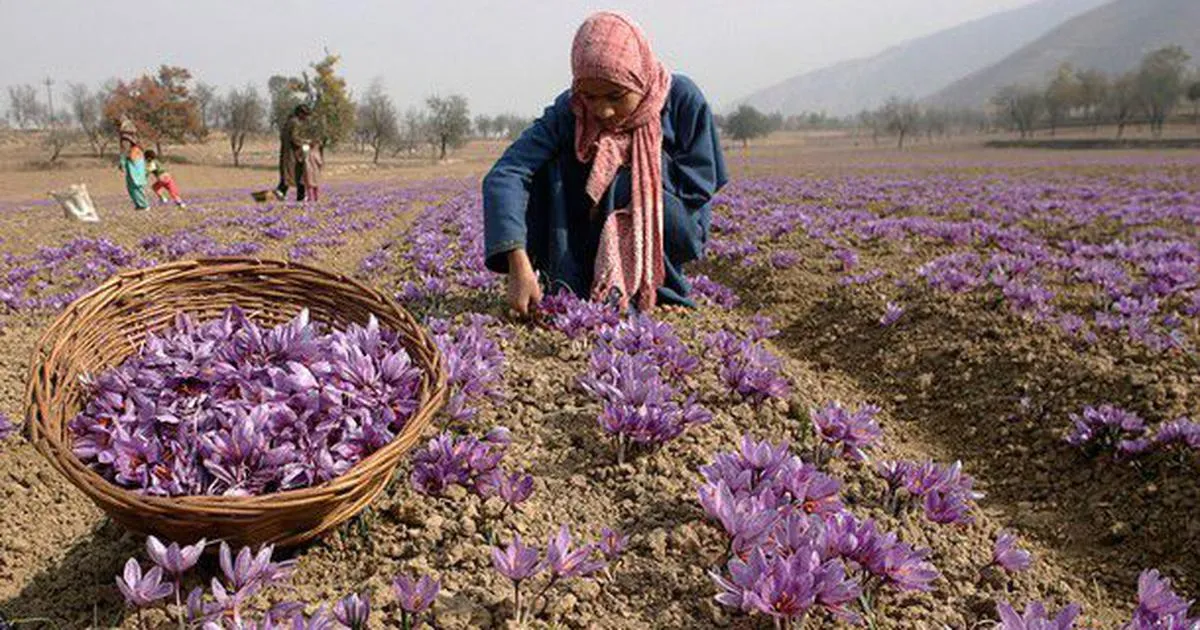
The cultivation of saffron, known locally as kesar, requires specific climatic conditions that are becoming increasingly difficult to maintain. The spice, derived from the red stigmas of the Crocus sativus flower, blooms in the autumn, making the weather in the weeks leading up to the flowering period particularly vital. Studies have indicated that both temperature and water availability play crucial roles in the successful growth and flowering of saffron.

For optimal growth, corm sprouting necessitates daytime temperatures of approximately 23 to 25°C in September. The flowering phase is initiated when daytime temperatures drop to around 17°C, with nighttime temperatures close to 10°C. Furthermore, precipitation is a significant factor, as both excess and inadequate rainfall have been shown to negatively impact production levels.

A comprehensive study conducted in 2024 on saffron farming in Pampore indicated that the timing of available water is as critical as the quantity, highlighting the complex relationship between saffron and its environmental conditions.

Rising Temperatures and Decreasing Yields

Recent research on saffron crops in Jammu and Kashmir has established a direct link between changes in temperature and rainfall patterns and the overall productivity of saffron. The months of September and October are particularly crucial; insufficient rainfall during this period can significantly hinder both sprouting and flowering stages.

Concerns surrounding saffron’s sensitivity to climatic variations have become increasingly acute, reflected in the declining production figures. According to data from news agency Reuters, saffron output in Kashmir has plummeted from 8 tonnes during the 2010-11 season to an estimated 2.6 tonnes by 2023-24. Since Kashmir produces approximately 90 per cent of India’s saffron, any changes in the region’s climate are critical for the country.

This diminishing yield poses significant challenges not only for farmers but also for the broader agricultural ecosystem of the region, as saffron is deeply intertwined with local culture and economy.

Exploring Solutions for Sustainable Saffron Production

Additionally, researchers are examining the feasibility of cultivating saffron in alternative locations by replicating the specific temperature and moisture environments required for its growth. A study conducted in 2026 highlighted that variables such as rainfall and minimum temperatures could significantly impact biological processes affecting saffron quality, underscoring the close ties between the spice and its growing environment.

Despite technological advancements, there remain substantial challenges in replicating the unique landscape, traditional farming practices, and heritage associated with Kashmiri saffron. Consequently, the industry stands at a pivotal junction as it addresses not only the need for adequate production but also the preservation of the traditional seasonal balance essential for saffron’s cultivation.

Long or Short, get news the way you like. No ads. No redirections. Download Newspin and Stay Alert, The CSR Journal Mobile app, for fast, crisp, clean updates!

App Store –  https://apps.apple.com/in/app/newspin/id6746449540 

Google Play Store – https://play.google.com/store/apps/details?id=com.inventifweb.newspin&pcampaignid=web_share

Latest News

Popular Videos
