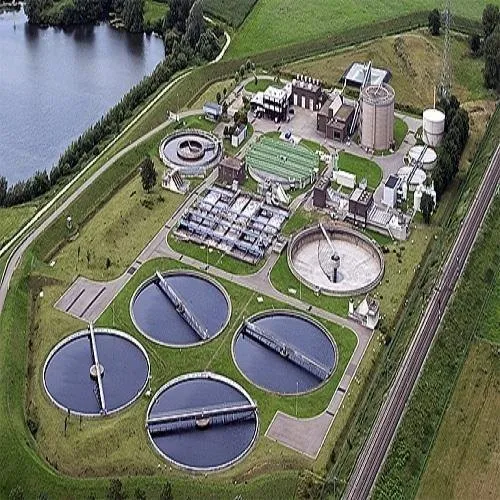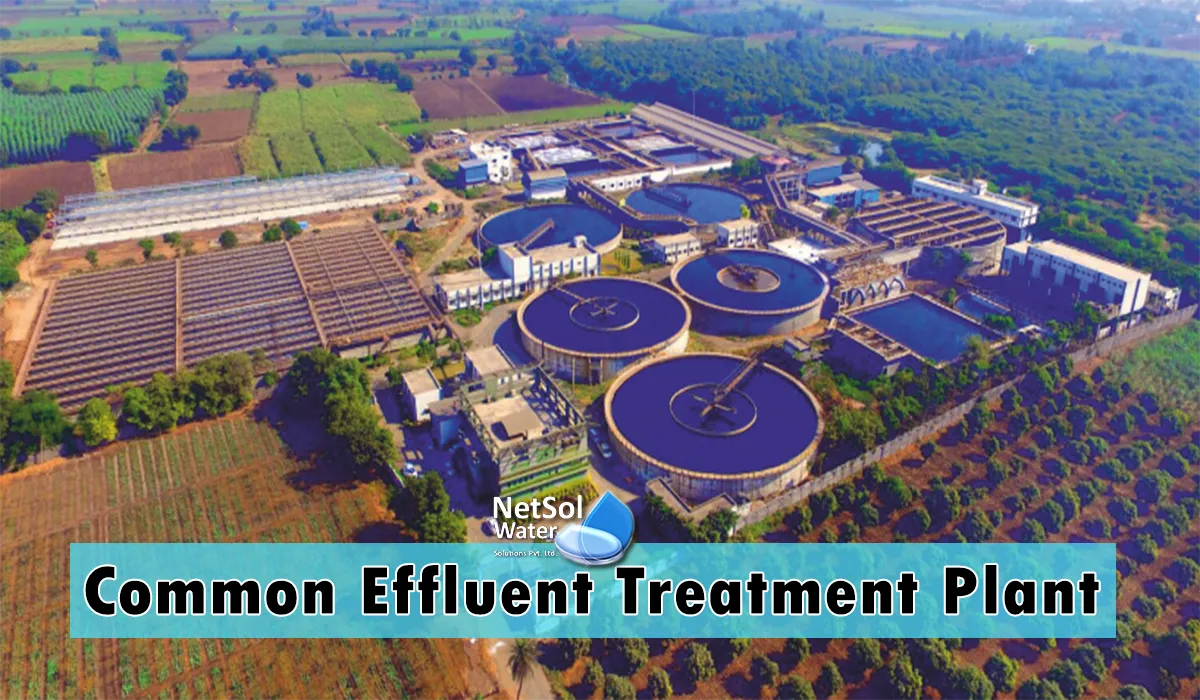

In a significant step towards strengthening pollution control infrastructure and promoting sustainable industrial growth, the Ministry of Environment, Forest and Climate Change (MoEFCC) has rationalised the regulatory framework governing Common Effluent Treatment Plants (CETPs). The reform is aimed at expediting the establishment of CETPs across industrial clusters, while ensuring that environmental safeguards and regulatory oversight remain uncompromised.
CETPs are collective pollution abatement facilities that treat industrial effluents generated by clusters of industries, particularly small and medium enterprises that may face technical or financial constraints in setting up individual treatment systems.
These facilities are designed to mitigate pollution by enabling centralised treatment, scientific management, and effective monitoring of industrial effluents, and are not themselves sources of pollution. The Central Pollution Control Board (CPCB) has classified CETPs as Essential Environmental Services under the Blue Category of Industries which need to be promoted for environmental protection.

Need for Reform
At present, the number and capacity of CETPs in the country are significantly below what is required to manage effluents generated by expanding industrial clusters. Delays in setting up CETPs have the unintended consequence of untreated or inadequately treated effluents entering the environment.
Following detailed examination by the Ministry’s Expert Committees, it was observed that CETPs are already subject to comprehensive regulation under existing pollution control laws, including Consent to Establish (CTE) and Consent to Operate (CTO), periodic inspections, continuous online monitoring and statutory reporting requirements. In this context, the requirement of prior Environmental Clearance was found to be duplicative, adding procedural complexity with avoidable delays.
The Ministry has, therefore, exempted CETPs from the requirement of prior Environmental Clearance subject to implementation of environmental safeguards and adherence to the Uniform Consent Guidelines as well as to the Environmental (Protection) Rules governing the standards for CETP and its management and operations which came into force on 1st September, 2025. The reform seeks to enable faster creation of CETPs, thereby strengthening compliance and improving environmental outcomes.