


Antibiotic Resistance Becoming Deadly Issue for Indians
The CSR Journal Magazine

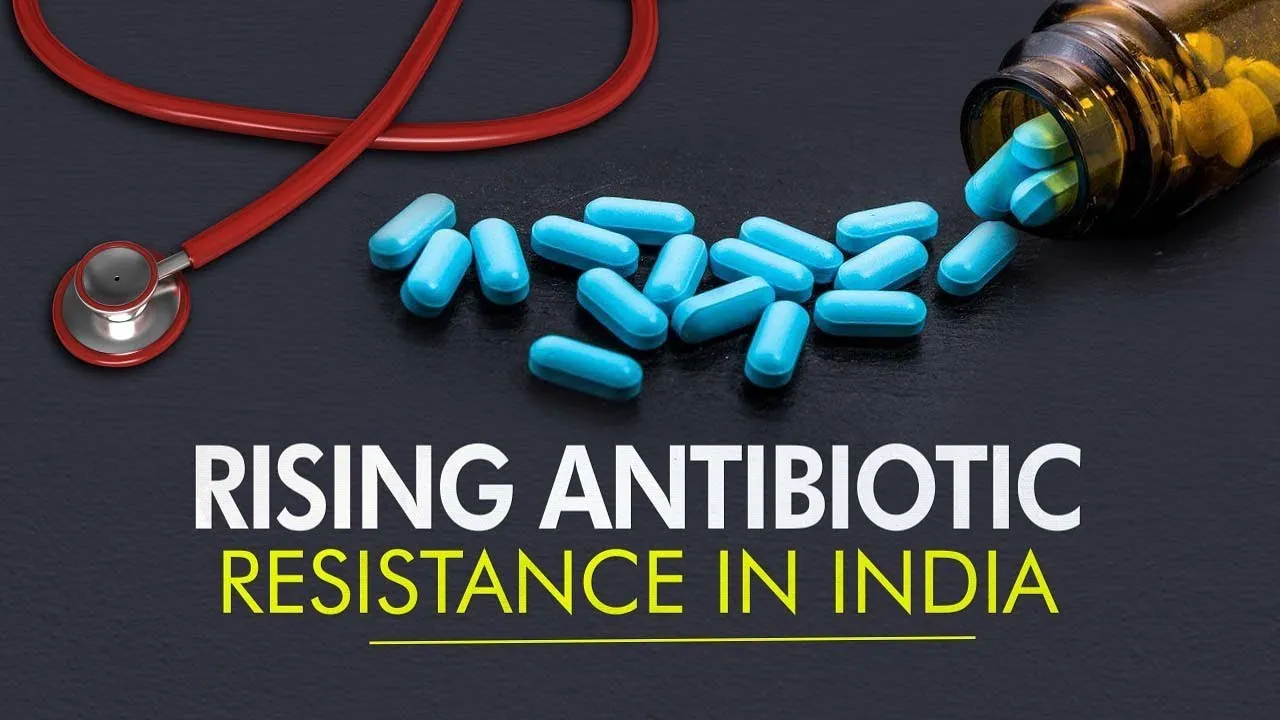
Antibiotic resistance is reportedly becoming a significant health concern in India, with individuals allegedly self-medicating with antibiotics to eliminate infections. A new study by the Indian Council of Medical Research (ICMR) highlights that this practice is contributing to an alarming increase in drug-resistant bacterial infections, leading to higher mortality rates among patients.

The phenomenon, commonly referred to as drug resistance, undermines the effectiveness of antibiotics. This study, published in The Lancet Regional Health—South East Asia, examines data collected between 2022 and 2025 and includes information from approximately 1.6 lakh patients. Among these patients, the research reveals that 61.1 per cent were found to have infections resistant to carbapenem antibiotics, sparking serious concerns about treatment efficacy.

These findings imply that the indiscriminate use of antibiotics is a contributing factor to the emergence of drug-resistant strains. This growing resistance complicates the selection of effective treatments, and in some instances, the ineffectiveness of antibiotics has been a fatal outcome for patients.

Challenges Presented by Drug-Resistant Infections

According to Dr Kamini Walia, a senior scientist at ICMR and co-author of the study, the rising instances of drug resistance in India are alarming. She indicates that inappropriate antibiotic usage is a significant issue, as excessive antibiotic intake allows bacteria to adapt and build resistance, rendering treatments ineffective.

When bacteria develop this resistance, healthcare providers face an uphill battle in treating infections. Consequently, patients may find themselves needing alternative antibiotics that are not only more expensive but also carry a higher risk of adverse effects. This situation puts a strain on both healthcare resources and the financial stability of individuals requiring treatment.

The mortality rates linked to drug-resistant infections are staggering. For instance, in cases of Klebsiella pneumoniae infections, the mortality rate stands at 31.2 per cent, compared to 23.5 per cent for those with infections that remain sensitive to treatment. This stark contrast underscores the necessity of addressing antibiotic resistance as a public health crisis.

The High Economic Cost of Resistance

Other implications of drug-resistant infections extend beyond health risks, significantly impacting patients’ financial burdens. Research indicates that patients facing these infections incur treatment costs that are between 1.1 and 2 times greater than those without resistance issues. This escalating expense reflects the need for comprehensive strategies to tackle antibiotic misuse.

Medical professionals, such as Dr Kuldeep Singh, from the department of medicine at GTB Hospital in Delhi, emphasise the complications arising from antibiotic resistance. Treatment for such infections often necessitates prolonged healthcare interventions, as standard outpatient therapies become ineffective. Misuse of antibiotics at home, whether through self-medication or failing to complete prescribed courses, contributes to the growing issue.

Addressing these challenges requires a concerted effort involving responsible antibiotic usage, public awareness campaigns, and timely diagnostic tests to ensure that patients receive appropriate treatments. The necessity for stringent regulations governing antibiotic prescriptions and consumption is becoming increasingly evident, in order to mitigate the crisis of antibiotic resistance in India.

Long or Short, get news the way you like. No ads. No redirections. Download Newspin and Stay Alert, The CSR Journal Mobile app, for fast, crisp, clean updates!

App Store –  https://apps.apple.com/in/app/newspin/id6746449540 

Google Play Store – https://play.google.com/store/apps/details?id=com.inventifweb.newspin&pcampaignid=web_share

Latest News

Popular Videos
