


Min Aung Hlaing Elected President of Myanmar Amid Ongoing Unrest
The CSR Journal Magazine

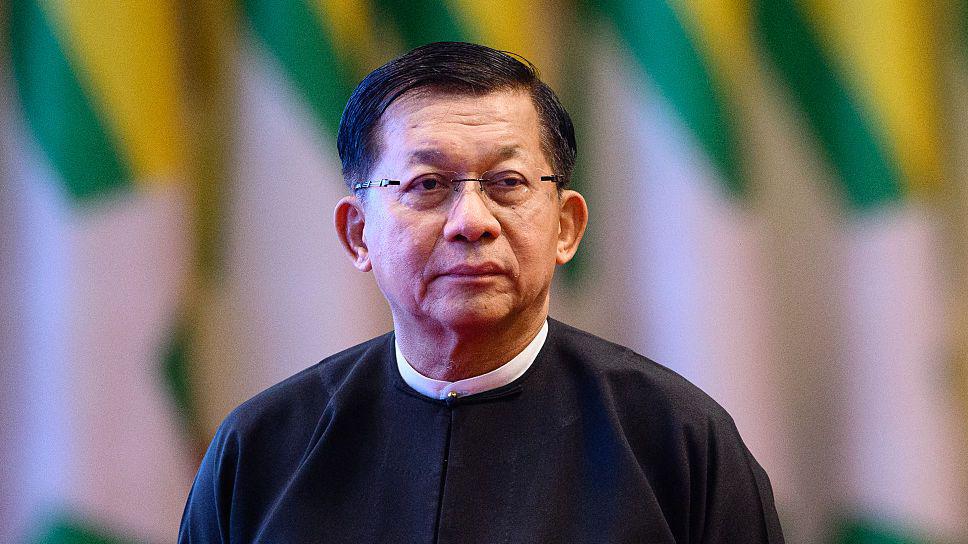
Min Aung Hlaing, the commander-in-chief of Myanmar’s military, has been elected as the President of the nation following a significant political transition. This development marks a crucial step in the military’s control over the country since the coup in February 2021 that ousted the democratically elected government.

The 57-year-old Hlaing, who has been at the forefront of Myanmar’s military operations, was elected by the military-dominated legislature. His ascent to the presidency has drawn international scrutiny, as the military regime faces widespread condemnation and protests from citizens resistant to their rule. The election process has been perceived as largely unrepresentative, given the circumstances surrounding the military’s recent seizure of power.

In the aftermath of the coup, there has been an ongoing conflict between the military regime and various pro-democracy groups, which have called for a return to civilian governance. Min Aung Hlaing’s election comes against a backdrop of escalating violence and civil unrest as resistance movements gain traction across different parts of the country. Despite the military’s efforts to consolidate power, significant opposition remains prevalent among the general populace.

The military regime has defended its actions, asserting that it is acting in the best interests of national security and stability. However, numerous nations across the globe have imposed sanctions against the military leadership and expressed concerns about human rights violations in the country, particularly regarding the treatment of political prisoners and the civil population. The situation remains tense as the military government grapples with both local dissent and international isolation.

In his inaugural address, Hlaing acknowledged the challenging circumstances facing the nation, emphasizing a commitment to restoring peace and stability. However, his past military actions and the ongoing conflicts raise questions regarding the effectiveness of his leadership in addressing the deep-rooted issues present in Myanmar.

As Hlaing assumes his responsibilities as president, observers are keenly monitoring how his administration will navigate the conflict and the potential responses to internal and external pressures. The military has maintained a tight grip on power since the coup, and the coming months will be pivotal in determining the future trajectory of governance in Myanmar.

Local communities and international entities will continue to watch closely as the evolving political landscape will likely influence regional dynamics as well. The potential for dialogues between the military and opposition factions is uncertain, with previous attempts to engage in constructive discussions having faltered. In this turbulent context, Hlaing’s presidency is positioned as a critical juncture for both the military and the nation as a whole.

Political analysts suggest that the path forward for Myanmar will require addressing the root causes of the ongoing crises. As the country faces both humanitarian and political dilemmas, the response from the new leadership will be instrumental in shaping the fate of Myanmar in the months and years to come. The commitment to a peaceful resolution remains the focal point amid rising tensions and widespread dissatisfaction with military rule.

Long or Short, get news the way you like. No ads. No redirections. Download Newspin and Stay Alert, The CSR Journal Mobile app, for fast, crisp, clean updates!

App Store –  https://apps.apple.com/in/app/newspin/id6746449540 

Google Play Store – https://play.google.com/store/apps/details?id=com.inventifweb.newspin&pcampaignid=web_share

Latest News

Popular Videos
