


US Vice President JD Vance Outlines ‘Three Core Principles’ of Iran Peace Framework
The CSR Journal Magazine

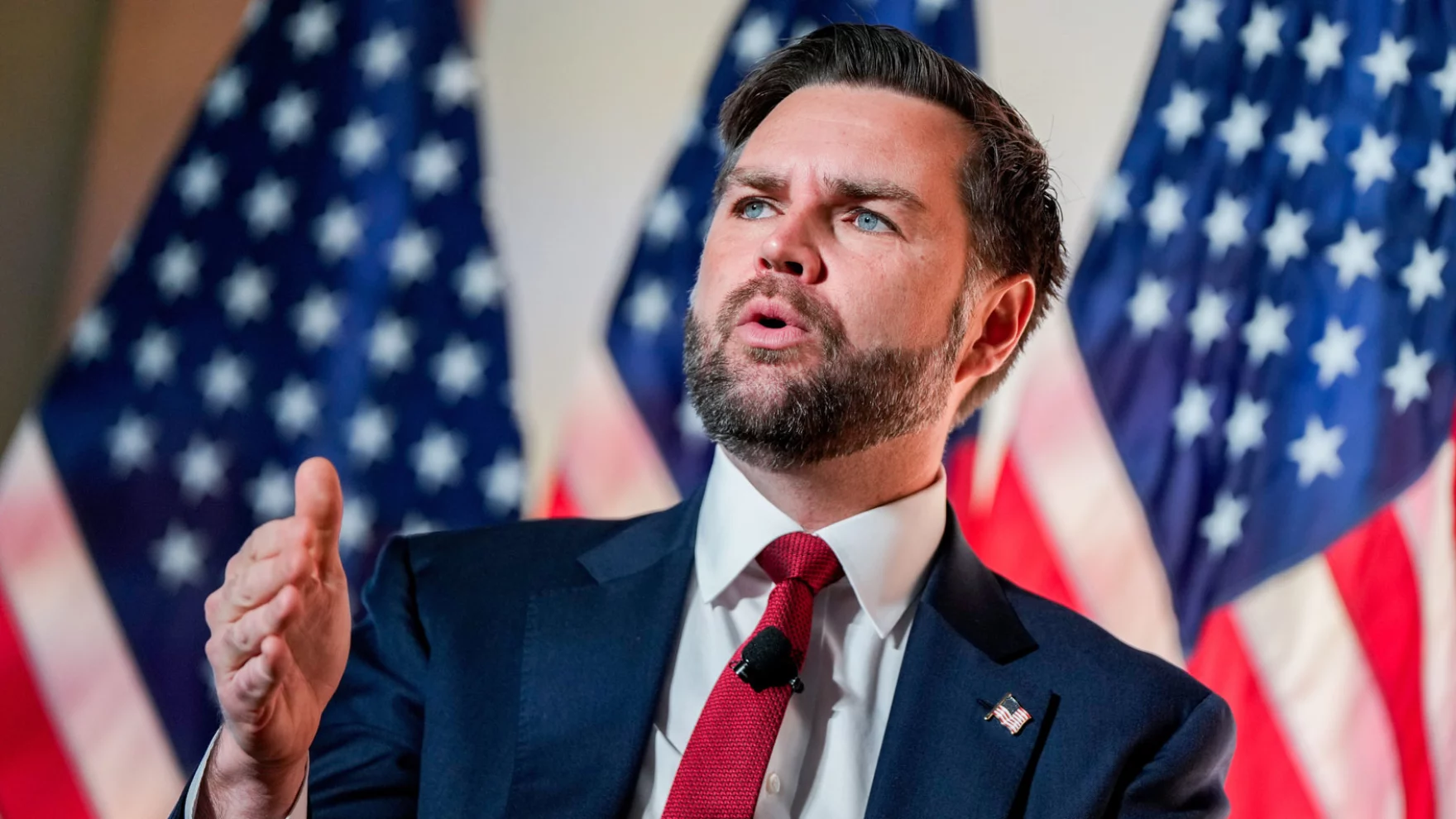
The peace agreement between the United States and Iran is anchored in three fundamental principles, as outlined by US Vice President JD Vance. He stated that these principles seek to prevent Iran from obtaining nuclear weapons, guarantee the uninterrupted flow of trade through the Strait of Hormuz, and provide economic incentives conditioned on Iran’s behavioural changes. Vance emphasised the clarity of the agreement during a Fox News interview, asserting that it lays out specific expectations for Iranian conduct.

Vance noted that the first critical element is a strict prohibition on Iran acquiring nuclear weapons. The second pillar ensures that the crucial Strait of Hormuz remains open for maritime navigation. Finally, he mentioned that the third component involves offering financial benefits to Iran, contingent upon the country demonstrating a significant transformation in its policies.

Conditional Economic Incentives Discussed

In the interview, Vice President Vance elaborated on the economic incentives available to Tehran, clarifying that these benefits would only be accessible if Iran ceases its support for terrorism and halts its nuclear programme reconstruction. He stated, “If they stop developing terrorism, if they stop funding terrorism, if they stop supporting the rebuilding of the nuclear arms programme, they actually can get some real benefits.” This conditionality aims to encourage Iran to undergo substantive changes in its international conduct.

Moreover, Vance highlighted the role of Iranian propagandists in shaping public perception. He suggested that these voices often misrepresent the conditions attached to the economic benefits, overlooking the necessity for Iran to fundamentally alter its national behaviour in order to reap rewards. This, according to Vance, is paramount for the success of the peace agreement.

As discussions progress towards a potential peace agreement, Vance indicated that the United States stands to gain regardless of Iran’s choices, asserting that the outcome will favour the US either way. He reiterated that Iran must choose between compliance or facing isolation and pressure.

Impending Negotiations and Broader Regional Implications

With negotiations between the US and Iran reportedly advancing, a potential signing of the peace agreement is anticipated in Switzerland later this week. Former President Donald Trump has also weighed in, describing the agreement as a significant deal aimed at fostering stability in the region. In a post on Truth Social, he noted that previous administrations have struggled to reach a settlement with Iran, and expressed optimism about the current administration’s ability to achieve lasting peace.

Trump remarked that the agreement would not only avert conflict but would also facilitate the safe passage of oil through the Strait of Hormuz. He stated that the deal would usher in increased trade opportunities, benefiting both local economies and the global market. By opening navigational routes and reducing threats in the region, the deal aims to create a more secure environment.

The anticipated agreement highlights the complexities of international diplomacy, particularly in relation to Iran’s previous antagonism towards the West. The ongoing negotiations underscore the urgency of establishing a peaceful resolution amid regional tensions. As preparations for the signing take place, international observers will be keenly monitoring the outcomes and implications for future US-Iran relations.

Long or Short, get news the way you like. No ads. No redirections. Download Newspin and Stay Alert, The CSR Journal Mobile app, for fast, crisp, clean updates!

App Store –  https://apps.apple.com/in/app/newspin/id6746449540 

Google Play Store – https://play.google.com/store/apps/details?id=com.inventifweb.newspin&pcampaignid=web_share

Latest News

Popular Videos
