


NTA Implements Overhaul With Permanent Observer Pool, Shortlisted Centres
The CSR Journal Magazine

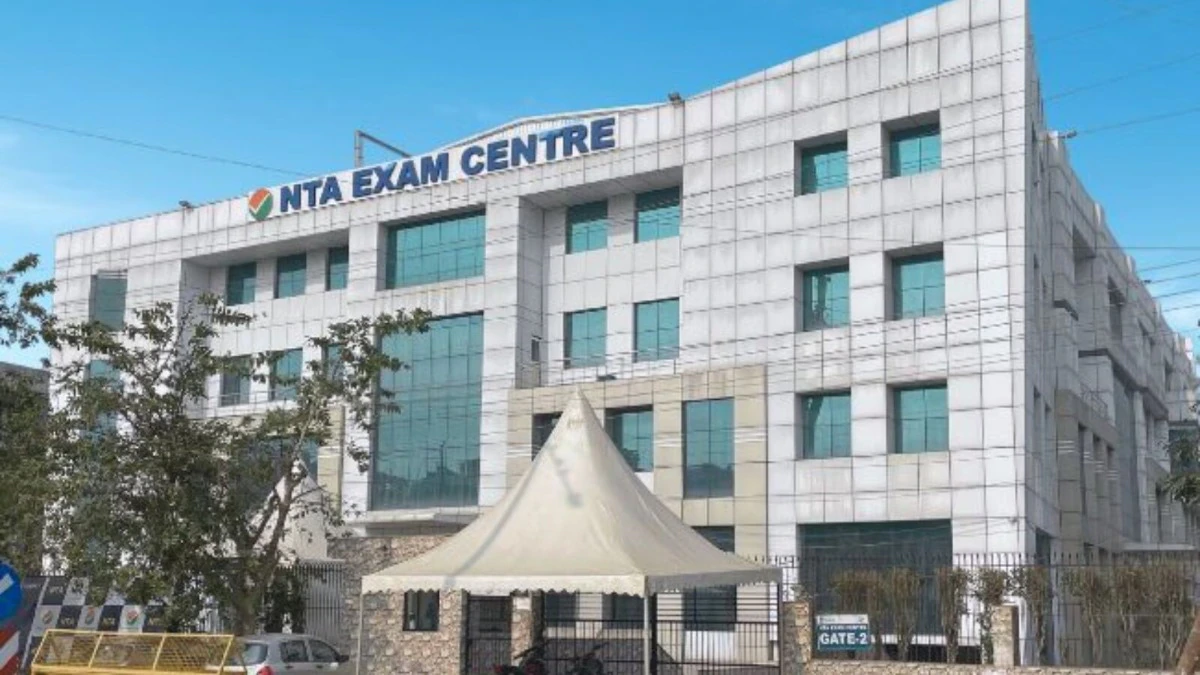
The National Testing Agency (NTA) is establishing a permanent pool of independent observers as part of a comprehensive reform of its examination system. This initiative is a response to recent security breaches and allegations of irregularities, as reported by Press Trust of India. The NTA aims to enhance the integrity and reliability of its examination processes following incidents such as the leak of the NEET UG medical entrance examination question paper earlier this year.

According to the NTA, an independent observer will be assigned to every test centre on examination days. This observer serves as the NTA’s representative, distinct from the City Coordinator and Centre Superintendent, and is responsible for ensuring the fairness and security of the examination. The observer will report directly to the NTA, thereby reinforcing the oversight mechanism in place.

To ensure timely and effective deployment of observers, the NTA plans to maintain a verified pool of empanelled observers. This pool will consist of retired and serving academic and administrative staff from government institutions. By having a pre-verified group of observers, the NTA aims to streamline the process of assigning personnel for each examination.

Shortlisting Eligible Exam Centres

In addition to creating a permanent observer pool, the NTA is inviting applications from eligible institutions and organisations to be considered as examination centres. This initiative aims to expand the network of centres available for conducting various national-level entrance and eligibility examinations, including NEET-UG, JEE-Main, UGC-NET, CSIR-NET, and CUET.

Institutions that wish to be empanelled as computer-based test centres must provide at least 285 fully functional computer workstations, including buffer systems, for each shift. For pen-and-paper test centres, a minimum of 250 seats, including buffer capacity, is required per shift. The centres should be equipped to conduct examinations lasting three hours in a single shift.

The NTA has specified that centres with fewer than 285 workstations may still apply, but their applications will only be considered in areas with limited options. Additionally, computer-based test centres must have at least four separate laboratories or halls with a minimum of 30 workstations each, while pen-and-paper centres need at least six examination halls capable of seating 40 candidates each or an equivalent arrangement.

Context of the Overhaul and Future Steps

This overhaul comes in the wake of the NEET UG question paper leak, which sparked widespread protests among students across the country. The incident also led to the resignation of the then Union education minister, Dharmendra Pradhan. Following his resignation, Prime Minister Narendra Modi announced the formation of a high-powered task force, led by Infosys co-founder Nandan Nilekani, to recommend reforms aimed at preventing future examination paper leaks.

The task force is yet to submit its report, but the NTA’s recent measures reflect a proactive approach to enhance the examination process. By establishing a pre-verified pool of observers and expanding the network of examination centres, the NTA aims to bolster the integrity of national-level tests conducted in India and abroad.

These developments signify a significant shift in the NTA’s operational framework, focusing on transparency and accountability. As the agency moves forward with these reforms, it is expected to improve the overall examination experience for candidates and restore public confidence in the integrity of the testing process.

Long or Short, get news the way you like. No ads. No redirections. Download Newspin and Stay Alert, The CSR Journal Mobile app, for fast, crisp, clean updates!

App Store – https://apps.apple.com/in/app/newspin/id6746449540

Google Play Store – https://play.google.com/store/apps/details?id=com.inventifweb.newspin&pcampaignid=web_share

Latest News

Popular Videos
