


Imtiaz Ali Advocates for Flawed and Unapologetic Female Characters
The CSR Journal Magazine

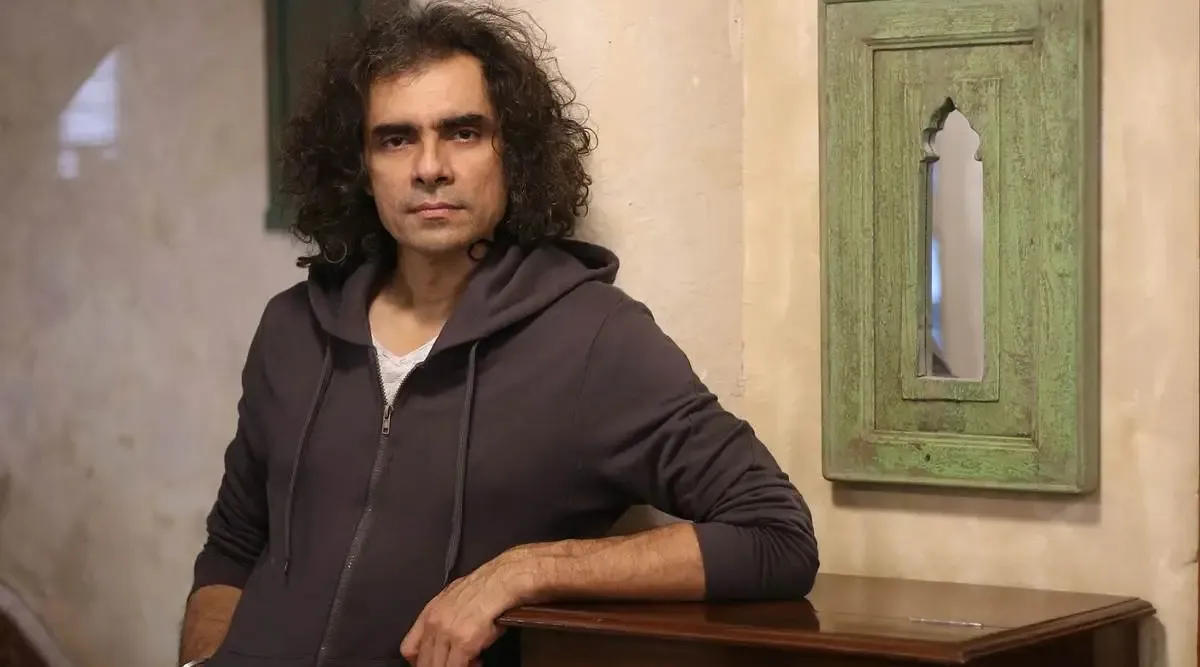
Filmmaker Imtiaz Ali has expressed a strong preference for flawed and unapologetic female characters in his films. During a session titled “Women in Imtiaz Ali’s Cinema: Gunahgar Auratein?” at the 14th edition of the Metaphor Lucknow Litfest on Saturday, Ali articulated his vision for female protagonists who challenge societal norms. He asserted that he hopes these characters continue to defy expectations in their journeys of self-discovery.

Rejecting Moral Policing in Storytelling

Ali firmly rejected the notion of moral policing in storytelling, emphasising the importance of presenting women who are not constrained by societal rules. He stated, “Main umeed rakhta hoon ki meri filmon ki auratein gunehgar rahein. Kuch gunah aise hote hain jo aapko apne qareeb laate hain, society ko challenge karte hain.” This perspective highlights his commitment to showcasing women who assert their agency and make choices that reflect their individuality.

The director elaborated on his inclination towards complex female characters, referencing notable figures such as Geet from “Jab We Met,” Tara from “Tamasha,” Meera from “Love Aaj Kal,” and Heer from “Rockstar.” He believes that cinema should mirror the agency of women rather than serve as a platform for moral lessons. According to Ali, strong female characters are essential for authentic storytelling.

In his discussion, Ali described women as “stronger than men, both in life and society.” He reiterated that his role as a filmmaker is not to preach morality but to narrate the stories of compelling women who defy conventions and live life according to their own terms. His commitment to portraying such characters reflects a broader understanding of women’s experiences in contemporary society.

Highlighting Rebellious Characters

Among the various characters he has created, Ali specifically highlighted Veera, portrayed by Alia Bhatt in the 2014 film “Highway,” as the most rebellious of his heroines. In this narrative, Veera is abducted just before her wedding and embarks on a transformative journey across diverse landscapes, from Rajasthan to Himachal Pradesh. Ali noted that Veera defines her own freedom, stepping away from societal expectations.

He remarked, “She was the most rebellious because she left society, she walked away.” This character serves as a representation of women who assert their independence and challenge the constraints placed upon them. Ali’s portrayal of Veera underscores his belief in the power of women to shape their own destinies, free from societal judgement.

Beyond the realm of cinema, Ali addressed the broader cultural issues surrounding women, particularly the shame often imposed upon them. He advocated for solidarity among women and stressed the importance of financial independence as a means for reclaiming control over their lives. He encouraged women to reject compromises between ambition and personal fulfilment, asserting that they should aspire for everything they desire.

Encouraging Aspirations and Independence

In conclusion, Ali stated, “Women should not have to choose. They must aspire for everything and they can very well have everything.” His remarks resonate with a vision of empowerment for women, advocating for their right to pursue their ambitions without sacrificing personal fulfilment. This perspective aligns with a growing recognition of the importance of diverse and complex female narratives in contemporary cinema.

Long or Short, get news the way you like. No ads. No redirections. Download Newspin and Stay Alert, The CSR Journal Mobile app, for fast, crisp, clean updates!

App Store – https://apps.apple.com/in/app/newspin/id6746449540

Google Play Store – https://play.google.com/store/apps/details?id=com.inventifweb.newspin&pcampaignid=web_share

Latest News

Popular Videos
